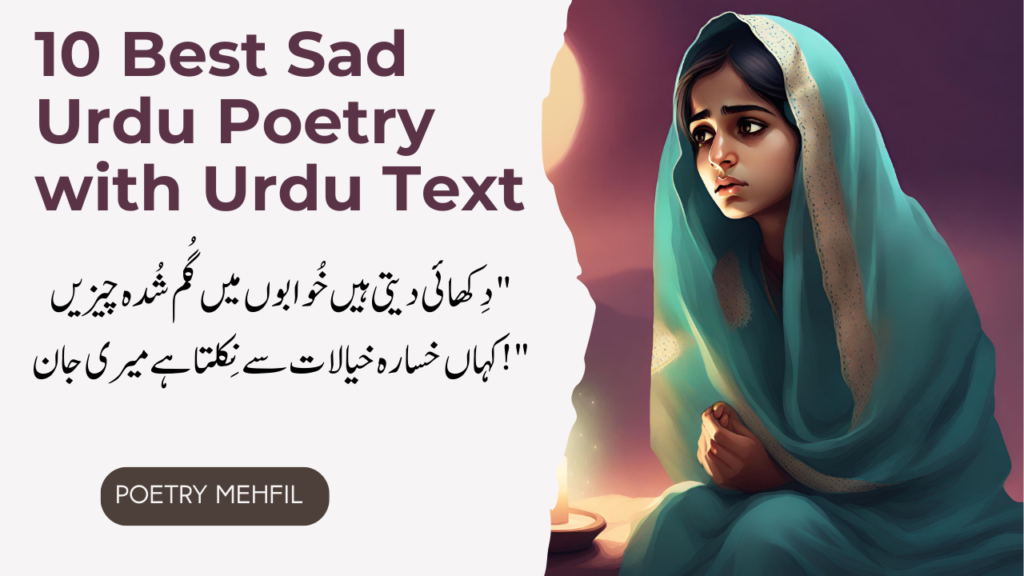
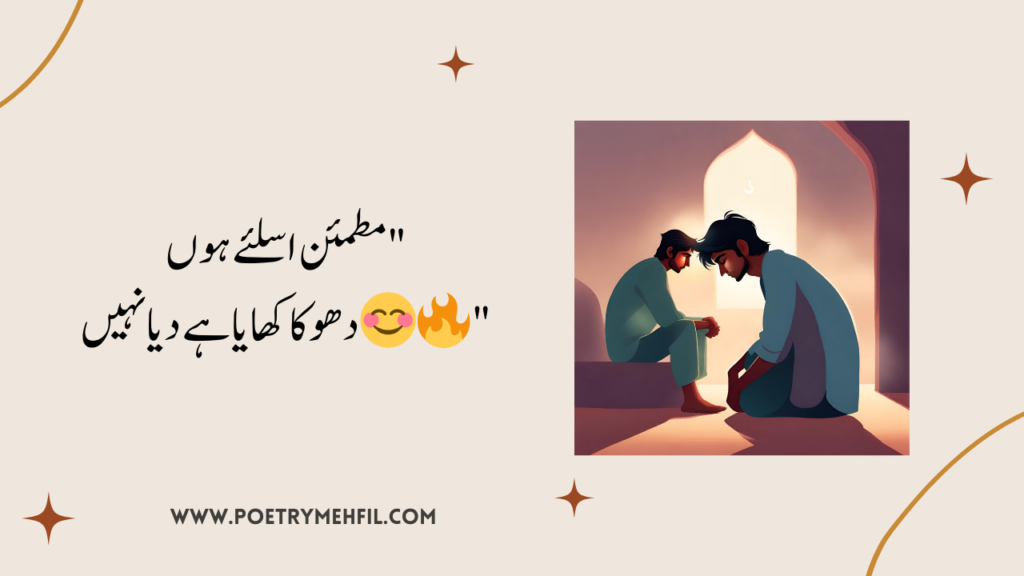
Sad Poetry about Love and Life demonstrates how both happiness and suffering can be involved in human life. Love and life may make one happy, yet also hurt, lost, and disappointed. Sad poems allow individuals to give an expression to those feelings in a clear manner, and they speak the ones that are not usually spoken. In the verses, people get comfort and insight and feel that the poems are the same as their love, love and lack of a person, and hardships. Sad poetry does not simply discuss sadness; it also demonstrates the actual reality of emotions and the ambivalent reality of love, leaving, and the hardships involved in life.
Dard Bhari 2 Line Poetry provides a good and direct manner of expressing heartache and suffering. As much as they are very short, the two-line poems can have profound emotions that most people can relate to. Sadness, unfulfilled desires, or emotional traumas are depicted in every single line, providing a stinging but beautiful glimpse of the human mind. The poems are usually read in solitary times or times of heartbreak or self-reflection, and with the short format, they can be decent posts on social media, messages, or even personal journals. It demonstrates the power of a small number of selected words to be filled with a lot of emotion.
Urdu Poetry of Lonely Hearts displays emotions of loneliness, being lonely, lacking someone, and contemplating yourself. The aesthetic language of Urdu gives that a classic, strong emotion. The poems directly address the readers and assist them in overcoming loneliness, heartbreak, or severe depression. They serve as an outlet and comforting aspect and remind the people that their emotions make sense to others.
Sad Poetry about Love and Life, Dard Bhari 2 Line Poetry, and Urdu Poetry for Lonely Hearts make a very powerful means of sharing the most difficult aspects of human emotion. They allow readers to reflect on their own experience, vent their accumulated emotions, and connect with others by knowing their pain. The poems authenticate feelings, provide comfort, and transform personal grief into a work of art that is relatable to all. In the verses, sadness is not only experienced, but it is conceived, talked about, and transformed into something beautiful.
Cheery poetry helps us to remember that pain is a constituent of both love and life. Through our expression, we get empathy, healing, and hope. It glorifies how intense our feelings may be, how powerful the heart can be, and the beauty that is in the sadness.
اب تو سوکھے ہوئے پتے ہی نظر آتے ہیں میرے آنگن میں بہت کچھ تھا بہاروں جیسا
Ab to sookhe hue patte hi nazar aate hain Mere aangan mein bohot kuch tha baharon jaisa
تو بھی آتا نہیں اب غم کا مسیحا بن کر اور مرا زخمِ جدائی ہے کہ بھرتا بھی نہیں
Tu bhi aata nahin ab gham ka maseeha ban kar Aur mera zakhm-e-judaai hai ke bharta bhi nahin
کہنے لگى ہے اب تو تنہائی بهى مجھ سے مجھ سے ہى کرلو محبت ميں تو بےوفا نہيں
Kehne lagi hai ab to tanhaai bhi mujh se Mujh se hi kar lo mohabbat, main to bewafa nahin
بڑا یقین تھا مجھ کو میری محبت پر بڑے یقین سے ہارا ہوں زندگی اپنی
Bara yaqeen tha mujh ko meri mohabbat par Bare yaqeen se haara hoon zindagi apni
کبھی راستے بدل گئے کبھی ارادے بدل گئے ہم نہ بدلے مگر تیرے وعدے بدل گئے
Kabhi raste badal gaye, kabhi irade badal gaye Hum na badle magar tere waade badal gaye
These lines powerfully convey loss, separation, and emotional betrayal. The first couplet likens the heart’s current void to a courtyard that used to be vibrant with spring, demonstrating how love and happiness have slowly overgrown and vanished, leaving just barren ground and memories. The second couplet shows the forsaken and thestill-suffering whereby the loved one does not come any longer to mend the sorrow, and the parting wound stays open and unhealed. The third couplet gives loneliness human traits, implying that even the most unflinching of retreatants is now with us, claiming to be loyal when love has become a battleground. The fourth couplet uncovers agonizing self-revelation, where total trust in love results in losing life itself, thus illustrating the irony of trust turning into the very cause of heartbreak. The last couplet deals with emotional treachery by the speaker’s continuing to be the same, even though the circumstances and the direction changed impractically. Just the promises of the beloved have been altered. These verses together illustrate the gradual demise of love, broken promises, and the silent torture that comes after trust is betrayed.
محبت کے اندھیرے میں پتھر پگل گئے غیروں سے کیا گلہ جب اپنے بدل گئے
Mohabbat ke andheray mein pathar pighal gaye Ghairon se kya gila jab apne badal gaye
تم سے پہلے جو وہ اک شخص یہاں تخت نشین تھا اس کو بھی اپنے خدا ہونے پہ اتنا ہی یقین تھا
Tum se pehle jo woh ek shakhs yahan takht nasheen tha Us ko bhi apne Khuda hone pe itna hi yaqeen tha
نہ کوئی دوست، نہ ناصح، نہ ہی کوئی غمگسار اپنا تنہا، اداس، چپ چپ رہنا، بس یہی ہے اب شعار اپنا
Na koi dost, na nasih, na hi koi ghamgusar apna Tanha, udaas, chup chup rehna, bas yehi hai ab shiar apna
کوئی حسرت بھی مکمل نہیں ہونے پائی تجھ کو کھو دینا بھی جیون کا ادھورا دکھ ہے
Koi hasrat bhi mukammal nahin hone paayi Tujh ko kho dena bhi jeevan ka adhoora dukh hai
تمہارے بعد محبت کا جو ہُوا سو ہُوا تمہارے بعد اداسی کا میں سہارا ہُوں
Tumhare baad mohabbat ka jo hua so hua Tumhare baad udaasi ka main sahara hoon
These poetic lines reveal profound emotional disillusionment, solitude, and the breakdown of trust in love and relationships. The initial couplet hints that even the toughest hearts could eventually give in to love’s darkness, but the most significant agony comes from the ones we love who change,thus makingg the betrayal more painful. The second couplet, while gentle, conveys a message regarding stubbornness and pretending to be strong, foremost reminding the partner that the powerful people who came before them had the same illusion of immortality, and eventually, they turned out to be wrong. The third couplet depicts utter emotional abandonment, the speaker having no one left to talk to, to show him the way or to console him and taking silence, sorrow, and isolation as his life. The fourth couplet talks about unrequited love and unrealized aspirations, saying that the loss of the loved one has become one of life’s most incomplete and constant sufferings. The last lines reveal emotional capitulation where after the beloved’s exit love has no longer any significance, and the speaker now lives only as a shadow to mourning, securing a place for himself in death rather than in life through despair.
Final Word
Not everything about life and love is happy: it is full of trials, heartbreak and even pain. Sad Poetry about Love and Life is a means of expressing and managing these emotions and providing comfort and insight. Dard Bhari 2 Line Poetry is an emotional expression that is in the brief, touching verses whereas Urdu Poetry for Lonely Hearts expresses the deep rooted loneliness, longing, and thinking in the beautiful words. All these forms of poetry allow individuals to express their emotions, tell their secret sufferings, and be sure that others experience the same. They make sadness art, affirm human emotions, and remind us of the fact that even sadness is beautiful, thoughtful, and highly emotional.
When you login first time using a Social Login button, we collect your account public profile information shared by Social Login provider, based on your privacy settings. We also get your email address to automatically create an account for you in our website. Once your account is created, you'll be logged-in to this account.
DisagreeAgree
I allow to create an account
When you login first time using a Social Login button, we collect your account public profile information shared by Social Login provider, based on your privacy settings. We also get your email address to automatically create an account for you in our website. Once your account is created, you'll be logged-in to this account.
 Skip to content


 Follow WhatsApp Channel