Skip to content
Two Line Sad Poetry —That Speaks to the Soul


Introduction
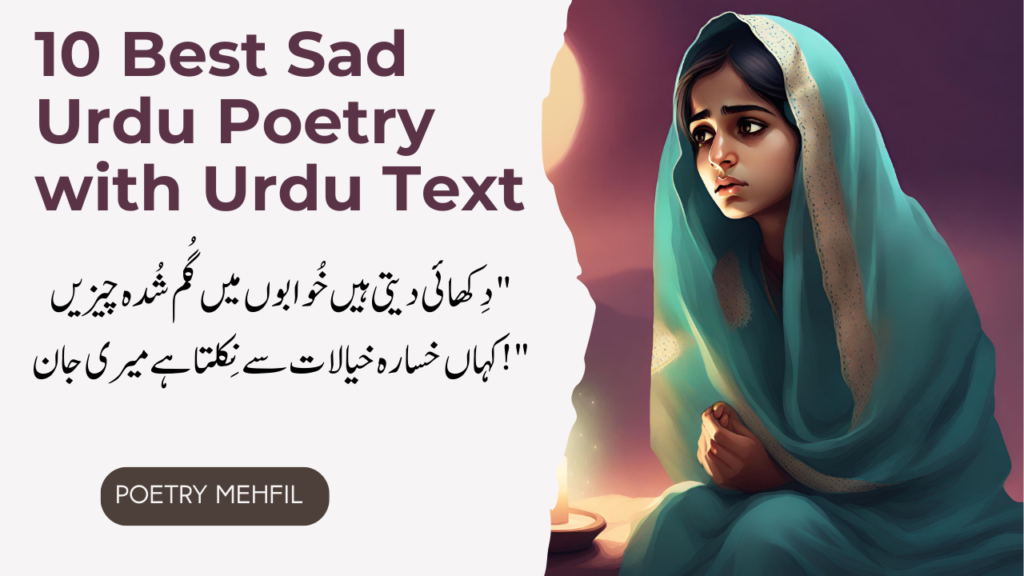
Urdu literature has always considered sad poetry a special place in its collection of literature that appeals to the feelings of people who, in most instances, cannot be captured by words. Two-line sad poetry is one of the most popular genres of Urdu poetry, which is laconic and expressive. It is one of the strongest ways to reach the readers at the emotional level, as in only two lines it can create an impression of heartbreak, loneliness, lost love, or the quiet struggles of life. These short couplets are like lightning striking the heart and the mind, unlike the long narratives which leave a lasting effect.
 Follow WhatsApp Channel
Two line sad poetry is beautiful because of its simplicity. One couplet may be the suffering of a failed relationship, the regrets of the lost time, or the sorrow of not achieved dreams. This is what makes it terribly trendy in social media, WhatsApp statuses, and personal diaries. Individuals rely on these verses in order to show feelings that they are unable to describe. Such brief phrases end up being the speech of personal silent emotions, leaving a reader with a sense that he is not alone in his or her sorrow.
Although the two-line sad poetry gives a quick emotional hit, full sad poetry gives it depth and context and is presented in a gradual manner. Entire poems give the reader the opportunity to share the path of suffering, introspection, and acceptance. They are more immersive and heartbreaking, full of betrayal, lonely, and full of bitter realities of life, which makes them richer and more immersive. The two forms are complementary to one another; the short couplets are used to establish an immediate connection, and the long poems are used to explore the inner life of emotions.
The quality of Urdu poetry is timeless and encompasses the emotions of all of humanity. The greatest sad poetry in Urdu is usually composed by such poets whose names are legendary like Mirza Ghalib, Faiz Ahmed Faiz, Parveen Shakir, Jaun Elia, and Ahmad Faraz. Their poems discuss love, loss, longing and existential dilemmas with eloquence and richness. These poets have turned their personal tragedies into art, and it is still the words that move hearts even decades after the poem was written. Their poetry can be empathetic, nostalgic, and self-reflective as we read their poetry and realize that we are not alone in our sadness.
The two line sad poetry and full sad poetry have become very popular in the modern-day digital world that is fast-paced. Individuals seek poetry that appeals to their inner thoughts, and Urdu sad poetry is the solution to this desire. They offer a sense of comfort, articulation, and reflection, whether it is in a few lines of heartbreak, a moment of sorrow, or a moment of silent contemplation. They enable the reader to relate to feelings that are not discussed much and also to turn the pain into some kind of beauty that everyone can enjoy.
Concisely, two line sad poetry and full-length sad poetry remain fundamental components of Urdu literature and current emotional articulation. It is strong because it brings two hearts together, it brings out the unspoken emotions, and it offers solace during sadness. Sad poetry in Urdu is not simply a narration—it penetrates the heart, and the impression thus impressed seldom comes through a machine, which words embody.
جب انسان اچھے لوگوں سے بھی ڈرنے لگے
کسی نے اعتبار بڑے سلیقے سے توڑا ہےJab insan acha logo sa bhi darna laga
Kisi na aitebar bara saleeqa sa tora ha

تو ہاتھ تھام، نہ ملنــــے کی لکیر کو نہ دیکھ
میں “کاتب تقدیر” ســـــے خود بات کر لوں گاToh hath tham na milna ki lakeer ko na dehk
Mein katab-e-taqdeer sa khud baat kar lugaکل رات آخری بار رو کر
کچھ زندہ رشتوں کو دفنا دیا میں نےKal raat akhri bar roo kar
Kuch zinda ristoo ko dafna diya menaان کے ہونے سے نہ ہونا ہی بھلا ہے
جن کے ہونے پہ نہ ہونے کا گماں ہوتا ہےUnka hona sa na hona hi bhala hai
Jin ka hona pa na hona ka gumaah hota haاے نیک منش میری نہیں ، فکر کر اپنی
اجڑے ہوئے لوگوں کو خدا کچھ نہیں کہتاAik naik mans meri nahi fikar kar apni
Ujaraa hua logo ko khuda kuch nahi kheta
When we read full sad poetry, we dive into an emotional journey where every verse unfolds a story of heartbreak, loneliness, or silent tears. Urdu poets have mastered this art, blending rhythm and sorrow to create verses that heal and hurt at the same time. Each stanza paints a picture of longing that every heart understands.
زندگی کی دوڑ میں کھو گیا اتوار
وہ بچپن کا سکون اب نہیں ملتا یارZindagi ki dhoor mein khoo gya itewar
Woh bachpan ka sakoon ab nahi milta yar

تقدیر سے ہوں لاچار اے ذوقِ تمنا
ہر فن میں ہوں ماہر بس محبت ھار بیٹھا ھوںTaqdeer sa hoo lachar aa zooq tamna
Har fun ma ho mahir bass muhabbat har behta hooنہ کر نہیں نہیں یہ وقت نہیں نہیں کا نہیں
تیری اس نہیں نہیں نے ہمیں چھوڑا کہیں کا نہیںNa kar nahi nahi yeh waqt nahi nahi ka nahi
Teri is nahi nahi na humay chora kahin ka nahiسوالِ وصل پہ عذرِ وصال کر بیٹھے
وہ کس خیال سے ایسا خیال کر بیٹھےSawal-e-wasal pa azraa wasaal kar behtaa
Woh kis kiyal sa asa kiyal kar behtaاب آؤ مان بھی جاؤ جو کچھ ہُوا وہ ہُوا
ذرا سی بات کا اتنا ملال کر بیٹھےAb aao man bhi jao jo kuch hua woh hua
Zara si baat ka itna milaal kar behta
Urdu poetry holds a timeless charm—its elegance makes it the perfect medium to express grief and love. The best sad poetry in Urdu carries not only the pain of lost love but also the hope of healing. Every word feels alive, reminding readers that beauty exists even in sadness, and silence can sometimes say more than words.
FAQs
Final Words
Sad poetry is not only mourning; it is also about getting to know the feelings that influence our existence. Two-line sad poems create immediate emotional ties, whereas full-length sad poems let the reader to roam around the hurt and significance hidden in every word. The best Urdu sad poems never lose their charm, because they portray the heart’s truth without any overstatements. In case you are getting through a breakup, longing for someone, or just philosophizing about life, sad poetry is there to provide you with solace and companionship. It serves as a reminder that there is a shared pain among us, and at times, just one couplet can give the feeling that the reader’s silence has finally been recognized.