Skip to content
Broken Emotions and Silent Tears—A Lonely Heart’s Story

Introduction
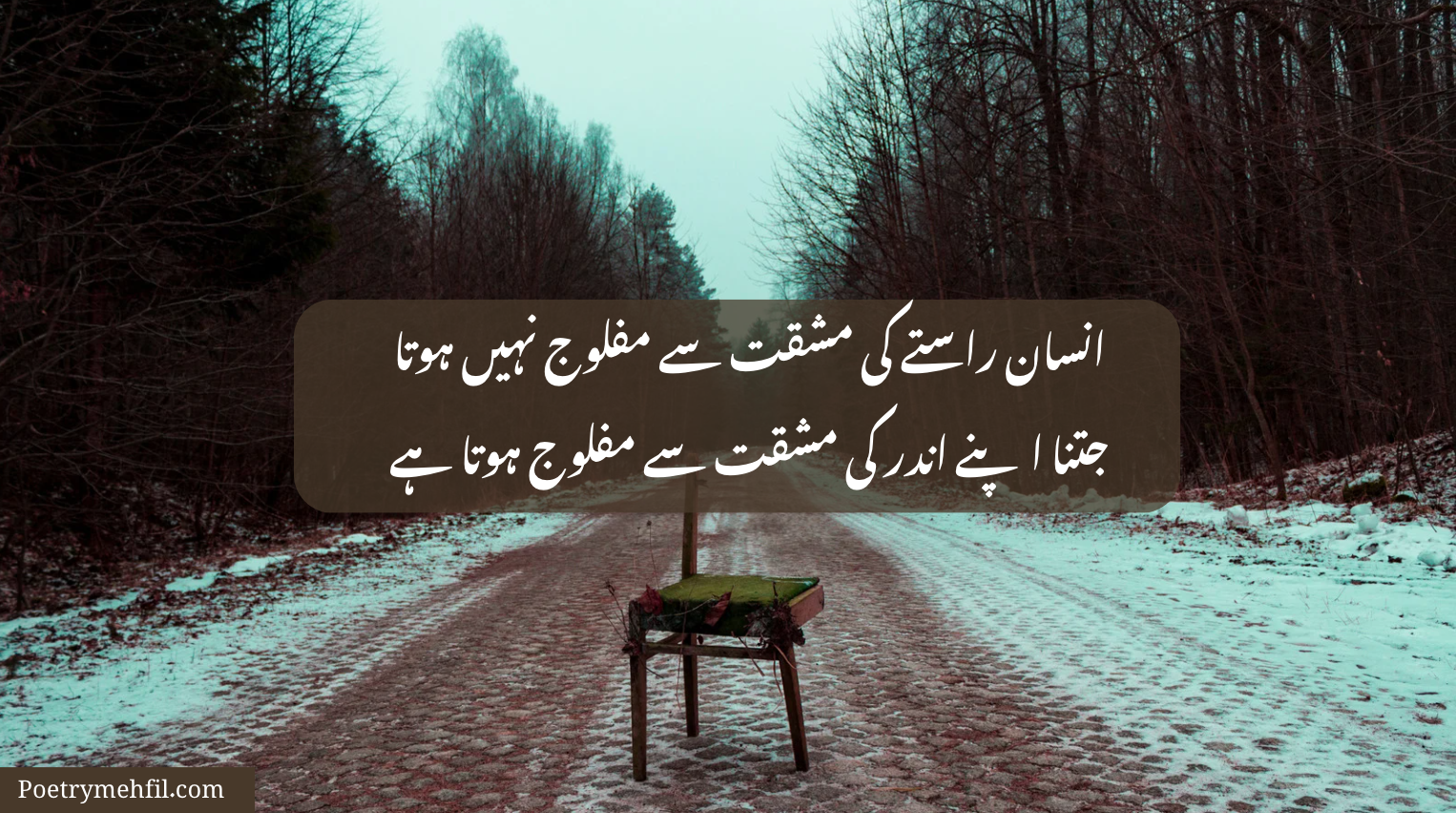
Broken emotions are a reflection of the most intimate aspects of the human heart, the dwelling place of pain, disappointments, and unspoken sorrows. Shattering of feelings, breaking of relationships, and unfulfilled dreams are common across almost every individual. The heart absorbs the wounds that are outside the sight of others, and the already difficult emotions become even more fragile. One can say that broken emotions are a mix of sadness and of the silent battles, unresolved grief, and the quiet strength it takes to endure inner conflict.
 Follow WhatsApp Channel
Silent tears accompany broken feelings as a natural partner. They come out silently, mostly unnoticed by others, yet they are the bearers of unexpressed feelings, lost love, and many a point of despair. These are tears that speak of the heart’s power to come back stronger, and they also show how people deal with their hurt in a non-intrusive manner—without drawing attention or asking for sympathy. A single drop is equivalent to a story, a memory, or a moment of vulnerability that no amount of words can express.
A heart that feels deprived of love turns up the volume on the experience of broken emotions and silent tears. Extinction of interaction, whether emotionally or physically, causes the heart to be very keen about its own frailty. However, the lonely heart in the very least still has the possibility of being and becoming a good place for reflection, healing, and emotional growth. It gives the human spirit the lessons of patience, compassion, and the power of comprehending one’s own suffering.
Grasping and letting out broken emotions is a must for everyone’s emotional health. The heart has to go through the process of mourning and gradually finding rest when these feelings are acknowledged—be it through writing, poetry, or just thinking. Silent tears, lonely hearts, and broken emotions are interlinked—they create the emotional territory that influences resilience, self-development, and the capacity to love again.
اور ڈال کر مجھے اپنی محبت کے چکر میں
پھر وہ اپنے ماں باپ کی فرمانبردار بیٹی بن گئیAur dal kar mujhe apni muhabbat ke chakkar mein
Phir woh apna maa baap ki farmabardar beti ban gai
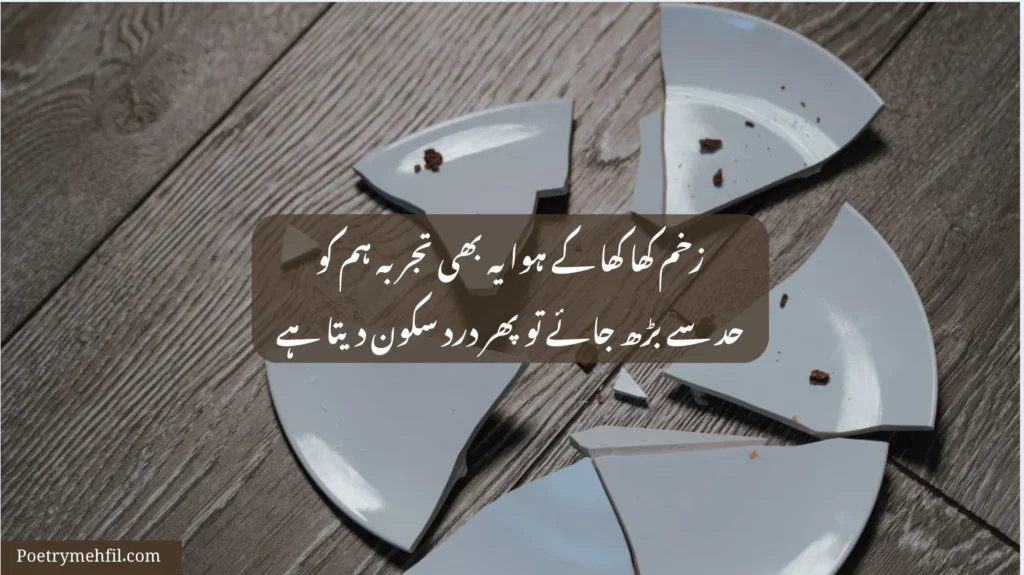
راتیں کٹتی ہیں یادوں کی چھاؤں میں
اور دن گزرتے ہیں خالی دعاؤں میںRaatain katt ti hain yaadon ki chhaon mein
Aur din guzarte hain khaali duaaon meinکوئی پوچھنے والا نہ رہا حال میرا
اکیلا پن بھی اب دوست بن گیا میراKoi pouchna wala na reh haal mera
Akelapan bhi ab dost ban gaya meraتنہائی نے پھر آج گلے لگا لیا
خاموشیوں نے دل کا حال سنا لیاTanhai na phir aj gala lga liya
Khamoshiyon na dil ka hal suna liyaاب کہیں جا کے سمیٹی ہے امیدوں کی بساط
ورنہ اک عمر کی ضد تھی کہ سنبھالے مجھے کوئیAb kahin jaa ke simti ha umeedon ki bisaat
Warna aik umer ki zid thi ka sambhala mujhe koi
Even in the midst of silent tears, a lonely heart yearns for light. It dreams of healing, of love that does not fade, and of strength to overcome the darkness. Pain may linger, but within the shadows lies the possibility of a new beginning.
زندگی رہی تو یاد کرتے رہیں گے
بھول گئے تو سمجھ لینا خدا نے ہمیں یاد کر لیا ہےZindgi rahi toh yad karta rahy ga
Bhool gay toh samj lena khuda na humay yad kar liya hai
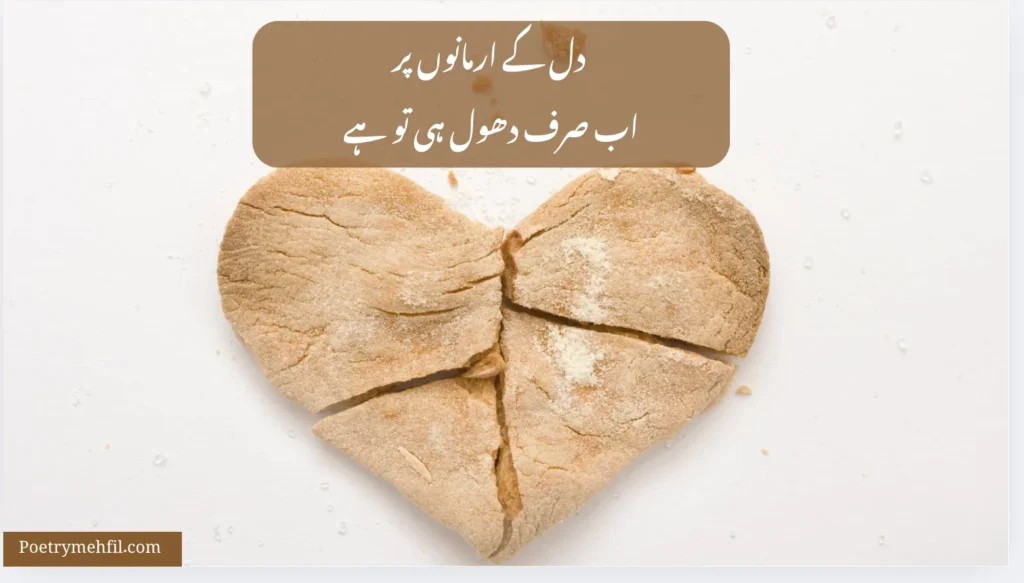
وقت کے ساتھ سب کچھ ٹھیک ہو جاتا کہتے ہیں
پر وقت تو رُکا ہے، اور ہم بھی کہیں پہ ٹھہرے ہیںWaqt ka sath sab kuch theek ho jata kheta hain
Par waqt toh ruka hai, aur hum bhi kahin pa thera hainدل کسی سے تب ہی لگانا جب دلوں کو پڑھنا سيکھ جاؤ
ہر اک چہرے کی فطرت ميں وفاداری نہیں ہوتیDil kisi sa tab hi lagna jab dilo ko pharna shik jao
Har ek chehra ki fitrat mein wafdari nahi hotiخُواہشیں نہ ہوتیں تو
کِتنی حسین گُزرتی زِندگیKhwaishien na hoti toh
Kitni haseen guzarti zindgiنہ پہلے جیسی سرکشی نہ دل میں کوئی خواہشیں
کبھی کبھی تو لگتا ہے ہم جواں نہیں رہےNa phela jesi sarkasi na dil mein koi khawish
Kabhi kabhi toh lagta ha hum jawaan nahi rahy
These lines display an acceptance deep down, an emotional stopover and a kind of maturity that doesn’t make noise. The poet hints that keeping one’s loved ones in mind is synonymous with being alive, while being forgotten is merely the soft way of seeing it as a divine invitation—thus, transforming bereavement into the consolation of finding one’s way to God. Time, which is usually referred to as the great healer, appears to be standing still here, thus making it possible to experience both moments and feelings in the same place. Moreover, there is a message of emotional intelligence: love should be dispensed only when one has grasped the understanding of hearts, for loyalty does not ever live behind every smiling face. The poet, thereafter, brings forth the theme of unfulfilled longings, implying that life could have been more serene sans the eternal wants. Ultimately, the decline of revolt and desire denotes the aging of emotions—not in years but in the number of life experiences—demonstrating how one’s life imperceptibly changes from fervor to serene meditation.
FAQs
What is the central message of this poetry?
The poetry conveys themes of acceptance, emotional growth, and the passage of time, showing how life slowly teaches patience, wisdom, and inner stillness.
Why does time feel “stuck” in these verses?
Time symbolizes emotional stagnation. Even though days pass, unresolved feelings make life feel paused, reflecting inner emptiness and reflection.
What lesson does the poetry give about love and relationships?
It advises emotional maturity—loving only after understanding people deeply, as not everyone is capable of loyalty despite appearances.
Final Word
Broken emotions deeply expose the vulnerabilities of the heart. Unheard sobs and a desolate heart expose the suffering that, although mostly invisible, is still very much felt. They, alongside each other, narrate an epic of survival, emotional truthfulness, and the power of human healing. Pain is a given, but the recognition of broken emotions leads to the realization, development, and, ultimately, the rebirth of hope and fortitude in the heart.