Skip to content
Urdu Poetry Sad—A Mirror of Hidden Emotions


Introduction
Emotions are undeniably the core of human experience, and poetry is undoubtedly the art form that most profoundly captures them. Among the most significant emotional expressions is the urdu poetry sad, which allows for the vocalization of grief, broken hearts, and the like. The use of urdu in art has evolved to such an extent that it has been turned into a set of well-versed and, at times, relatable poems that are perfect for any person who is in pain, whether they may be crying or not. Sadness of love that is lost, the solitude of being apart, and the silent despair of life’s battles are some of the themes combating with each other in the sad Urdu poetry that goes on to touch the readers’ hearts, giving them the same understanding as well as comfort.
 Follow WhatsApp Channel
The universal concern of sadness in the form of poetry is lifted through udas poetry to a great extent. The term “udas” translates to sadness or melancholy and indicates this is the kind of poetry that revolves specifically around feelings of emptiness, grieving, and yearning. Udas poetry is frequently a mirror of the poet’s internal conflict, and the audience is allowed to participate in the emotional experience along with the poet. Each line is packed with unsaid words and thus is made to be very relatable and moving. Udas poetry can be found in different forms, like social media, personal diaries, or poetry blogs, but it still remains a safe haven for emotional expression and helps one by giving the words and voice to the hidden sorrows of life.
In the same vein, dhuki poetry dives into betrayal, heartbreak, and the emotional suffering that comes with deceit or loss of trust. This poetry genre communicates with those who have gone through disloyalty in the personal or love sphere, thus making them to some extent mirror the poet’s pain. Dhuki poetry is nothing but blunt, full of feelings, and raw, which adds to its being one of the most powerful and caring forms of Urdu poetry. It not only narrates a story of suffering—it immerses the reader into the pain, making them feel it, henceforth bringing out empathy, reflection, and sometimes even catharsis.
The universality of urdu poetry sad, poetry, and dhuki poetry is one of the main reasons for their beauty. All human beings, more or less, feel sadness, and these poems serve the same manner of emotions, which is human involvement as well as their being emotional universality at the same time. It is possible for a reader to find their exact emotional state in one single couplet, which would result in feelings of being noticed, comprehended, and not as lonely in one’s sorrow. Thus, the artist and the audience are one person in feeling, so the urdu sad poetry becomes classic and immortal.
Sad urdu poetry, udas poetry and dhuki poetry have gained the most attention ever in the digital era. People seek these poetry types for a variety of purposes: expressing the deepest feelings, which are hard to put into words; sharing their pain with those who can empathize; or just wanting to find comfort in the knowledge that sadness is a shared universal experience. No matter whether they are two lines or a longer poem, Urdu sad poetry is still there, changing emotional suffering into art and making sorrow beautiful, relatable, and profoundly moving.
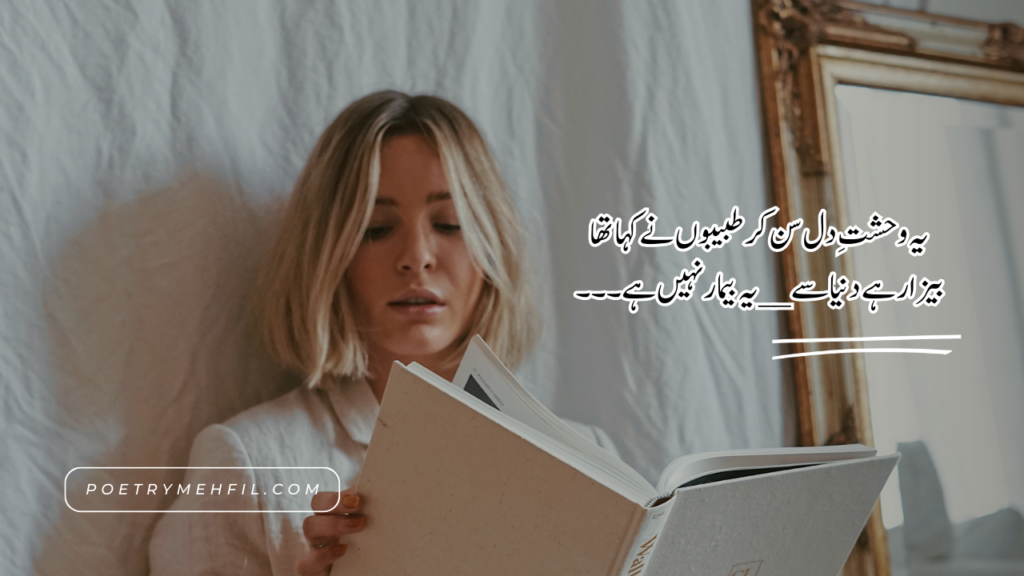
دشمن ہمیشہ اپنوں سے پیدا ہوتے ہیں کیونکہ
اپنوں سے ہی اپنوں کی خوشیاں برداشت نہیں ہوتیDushman hemsha apno sa paida hota ha kunka
Apno sa hi apno ki khushiya bardast nahi hoti

اب مجھــــــــــے کوئی دلائے نہ محبت کا یقین
جو مجھے بھول نہ سکتے تھے وہی بھول گئےAb mujhe koi dilay na muhabbat ka yaqeen
Jo mujhe bhool na sahkta tha wohi bhool gayتُو نے شِدَّت سے مُجھــے یاد کیا ہی تو نہیں
ورنہ ہِچکی تو مُجھے سانس نہ لینے دیتیTune shidat sa mujhe yad kiya hi toh nahi
Warna hicki toh mujhr sans na lena detiہمیں لاحق ہوئی ہے چپ لیکن
بات کرنـــے کــو جی ترستا ہےHumay lahaq hoi ha chup lakin
Baat karna ko jee tarsta haiزندگی نے وہ دکھ دیے کہ لفظ کم پڑ گئے
اب تو سانس لینا بھی قرض سا لگتا ہےZindagi na woh dhuk diya ka lafaz kam phar gay
Ab toh sans lena bhi qarz sa lagta ha
Udas poetry gives a voice to unspoken pain. It speaks to the quiet heart that longs for peace but finds comfort in sadness. Simple yet meaningful, Udas poetry expresses emotions that are often left unsaid. Through gentle words, poets remind us that it’s okay to feel sad—it’s part of being human and helps us connect to our true selves.
اداس زندگی، خالی دل، ٹوٹے خواب
بس یہی باقی ہے، اور کچھ نہیںUdas zindagi khali dil toota khawab
Bass yahi baqi ha aur kuch nahi

بھرا ہے وقت نے ہر زخم قاعدے سے مگر
میرے وجود میں تیری کمی ہے رُکی ہوئیBhara ha waqt na har zahkam qaida sa magar
Mera wajood mein teri kami ha ruki hoiیہ بھی ممــکن ہے کہ وہ ہنس دے میـرے رونے پر
یہ بھی ہو سکتا ہے وہ مجھ سے لپٹ کر رو دےYeh bhi mumkin ha ka woh hans da mera rona par
Yeh bhi ho sahkta ha woh mujhe lipat kar roo daوہ “بے حسی” ہـــے مسلسل شکستِ دل سے
اب کوئی بچھڑ کے چلا جائے، غم نہیں ہوتاWoh be hissi ha musalsal sihksat dil sa
Ab koi bichar ka chala jay gum nahi hotaاُس شخص کی کیا کیفیت ہوگی جو دنیا سے بھی تھک چُکا ہو
اور اُس کے پاس آخرت کے لیے بھی کُچھ نا ہوUs shakash ki kiya kafiyat hogi jo duniya sa bhi thak chuka ho
Aur uska pass akhrat ka liya bhi kuch na ho
Dukhi poetry is filled with the echoes of love lost and dreams left behind. Each verse tells a story of heartbreak and unfulfilled desires. It helps readers find strength in their sorrow, showing that even pain has beauty. Dukhi poetry creates a bridge between broken hearts—reminding us that no one truly suffers alone.
Final Words
The universality of urdu sad poetry and dhuki poetry is one of the main reasons for their beauty. All human beings, more or less, feel sadness, and these poems serve the same manner of emotions, which is human involvement as well as their being emotional universality at the same time. It is possible for a reader to find their exact emotional state in one single couplet, which would result in feelings of being noticed, comprehended, and not as lonely in one’s sorrow. Thus, the artist and the audience are one person in feeling, so the urdu sad poetry becomes classic and immortal.
Sad urdu poetry, udas poetry and dhuki poetry have gained the most attention ever in the digital era. People seek these poetry types for a variety of purposes: expressing the deepest feelings, which are hard to put into words; sharing their pain with those who can empathize; or just wanting to find comfort in the knowledge that sadness is a shared universal experience. No matter whether they are two lines or a longer poem, Urdu sad poetry is still there, changing emotional suffering into art and making sorrow beautiful, relatable, and profoundly moving.